Breathless Tales
The Hidden Heiress Who Outsmarted the Corporate Giant
The Hidden Heiress Who Outsmarted the Corporate Giant
The Unassuming Resident
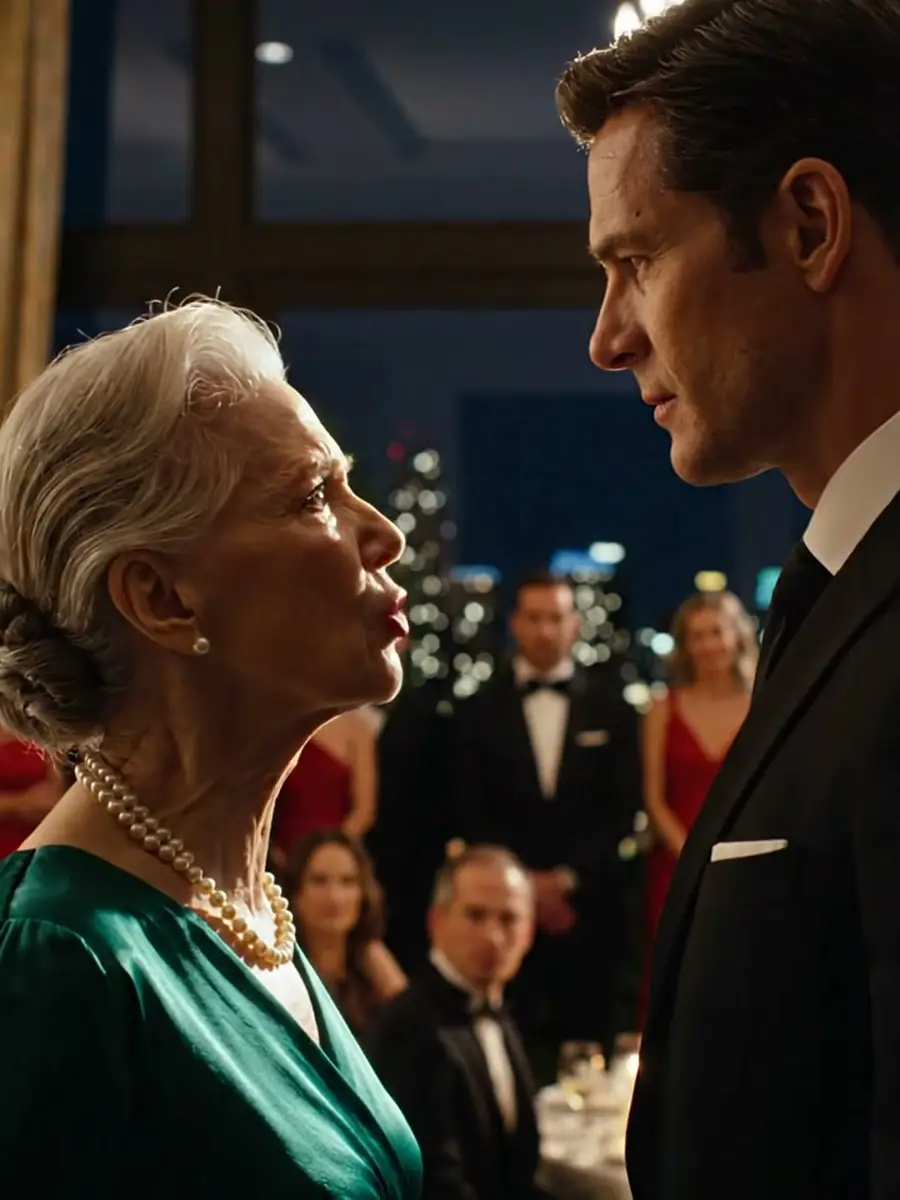
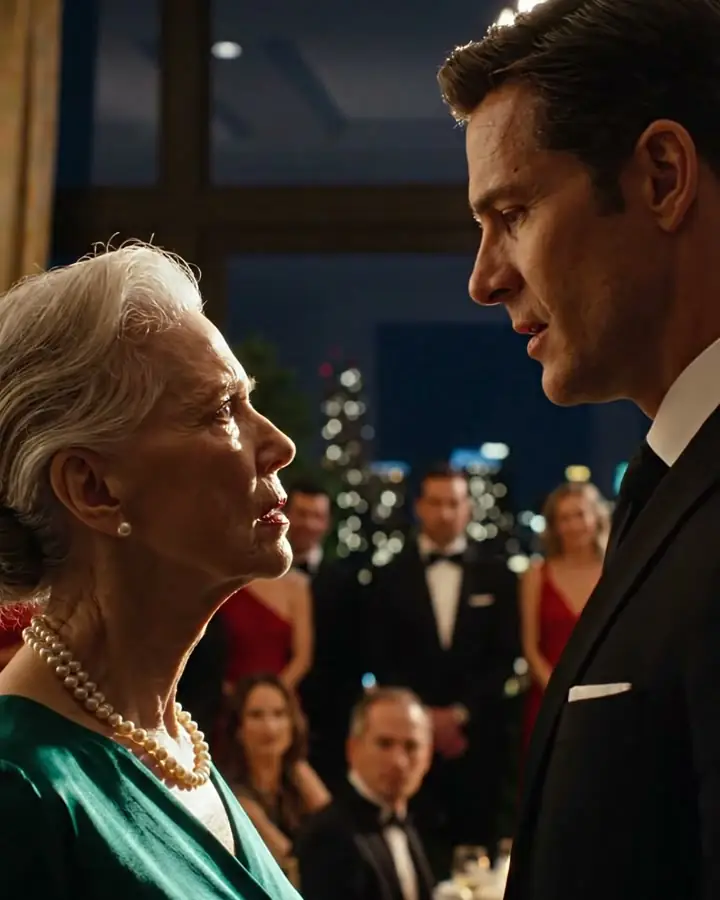
Eleanor Arlen had watched Willow Street transform from a modest lane of townhouses into a boulevard of prestige, her own Victorian mansion standing as a testament to a bygone era. For more than sixty years she had tended the sprawling estate with the quiet diligence of a woman who understood that true wealth was measured not in gold, but in memory. The silver‑white hair she kept in a sleek chignon caught the light of the morning sun, and the emerald silk gown she favored seemed to echo the garden roses that climbed the iron trellises surrounding the house. Delicate pearls rested against her throat, a subtle reminder of a life lived with poise and restraint.
To the casual observer, Eleanor was merely an elderly widow who spent her afternoons sipping tea on a sun‑drenched balcony, the soft hum of a well‑kept estate providing a comforting backdrop. Inside, antique furniture whispered stories of her ancestors, and the scent of freshly cut lavender drifted from the conservatory. Yet beneath the lace curtains and the polished oak floors lay a legacy that few even suspected existed—a line of ownership that stretched back to the very founder of the house, a visionary industrialist whose name had faded from the city’s collective memory.
Her days were a delicate choreography of rituals: tending the garden, reviewing letters from distant relatives, and, most importantly, safeguarding the documents that bound her family to the land. The mansion was not merely a home; it was a living archive, a repository of promises made long before modern corporations began to view heritage as a liability rather than an asset.
The Corporate Threat
When Victor Kline arrived, the atmosphere in the grand foyer shifted like a sudden gust through the curtains. Victor, a rising star at Meridian Holdings, wore a sharp navy suit that seemed cut from ambition itself. His dark hair was neatly styled, his crisp white shirt immaculate, and his confident demeanor radiated the kind of polished assurance that could convince a boardroom of skeptics to sign away centuries of history in a single meeting.
He entered the mansion with a glossy portfolio tucked under his arm, a sleek tablet balanced on his palm, and a smile that concealed a spreadsheet of profit projections. Meridian Holdings, a multinational real‑estate conglomerate, had set its sights on the Willow Street property, envisioning a luxury hotel that would dominate the skyline and capitalize on the area’s growing tourist appeal.
Victor presented his proposal with the elegance of a seasoned salesman. The brochure he laid before Eleanor was a glossy tableau of modernity: marble lobbies, infinity pools, and panoramic views that promised to transform the historic estate into a beacon of contemporary opulence. He slid the tablet across the marble coffee table, the screen flashing a polite ultimatum: sign the eviction notice within thirty days, or the board would proceed without her.
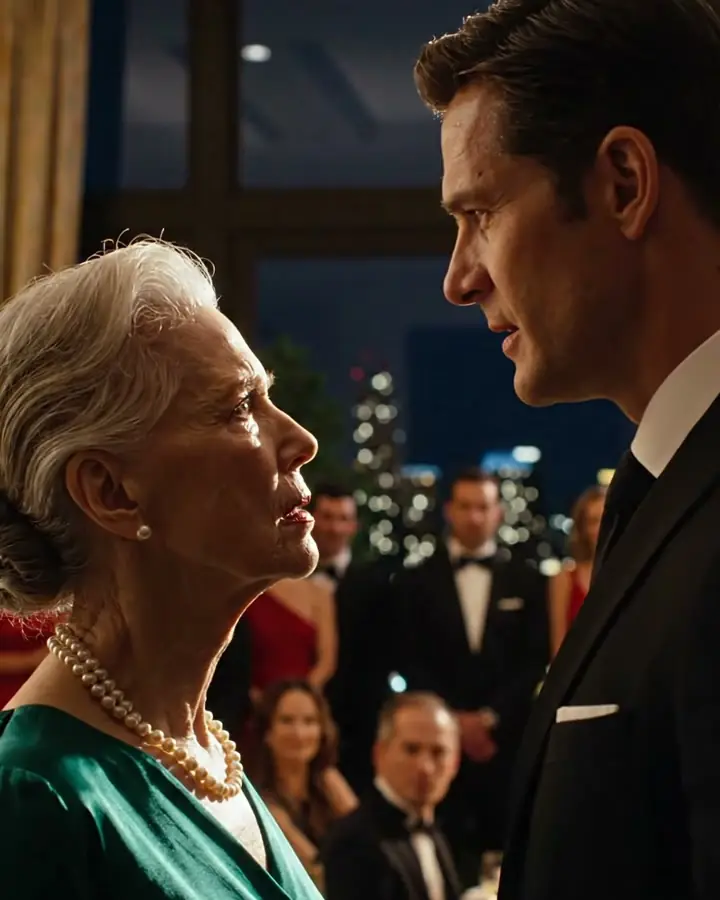
The room, filled with high‑society guests who had gathered for the estate’s charity gala, fell into a hushed awe. Champagne flutes caught the chandelier’s glimmer, and the murmurs of polite conversation died as the two figures locked eyes. Eleanor’s gaze never left Victor’s polished shoes, a silent challenge that reverberated through the marble halls.
“You think you can erase my name?” she asked, her voice steady but edged with steel. The words hung in the air, a thin line drawn between tradition and progress.
Victor smiled, a smile that concealed the confidence of a man who believed the board’s decision was final. “The board decided, Ms. Arlen,” he replied, his tone smooth as the polished surface of his tablet. “They see a future for this property that benefits the city and its investors.”
The Hidden Clause
Later that night, after the gala lights dimmed and the last guests had departed, Eleanor slipped away from the bustling ballroom to the sanctuary of her private study. The study was a dimly lit room lined with bookshelves that groaned under the weight of leather‑bound tomes, a place where time seemed to pause. She approached the mahogany desk that had been a fixture in the house since her great‑grandfather first signed the deed.
With practiced hands, she pressed a hidden latch beneath the desk’s surface. A compartment sprang open, revealing an aged parchment curled at the edges, its ink slightly faded but still legible. The document was an original deed signed by the mansion’s founder, a visionary industrialist whose name had long been relegated to the footnotes of the city’s archives. The clause within was clear: the estate could never be sold or repurposed without the direct consent of the founder’s living heir. It was a safeguard, a promise to protect the house from the whims of future generations, and it had been forgotten in the corporate archives that now threatened to erase it.
Beside the parchment lay a small, ornate key—its teeth worn from generations of careful handling. The key had been passed down through the Arlen line, a physical embodiment of the family’s stewardship. Eleanor held it in her palm, feeling the weight of history settle upon her shoulders.
“Watch the deed I signed, hidden in plain sight,” she whispered to the empty room, her voice reverberating off the oak paneling. The quiet of the study amplified the significance of her discovery; it was a secret weapon, a piece of the past that could rewrite the future.
The Turnaround
The following morning, Victor arrived at the mansion with his legal team, their briefcases brimming with contracts and their faces set in the confident expressions of men who believed paperwork could bend reality. Eleanor met them at the grand entrance, the ancient key glinting at her waist like a talisman.
“Your legacy will crumble with this house,” Victor declared, his voice echoing off the marble columns. He gestured toward the tablet, a digital promise of progress that seemed to radiate power.
Eleanor lifted her hand, revealing the key and the parchment. “The estate belongs to the Arlen line,” she said, her voice resonating with quiet authority. “Without my signature, you have no claim.” She placed the aged document on the marble table, the ink catching the light as though it had been waiting for this moment for decades.
Victor’s polished veneer began to crack. He glanced at the parchment, his eyes scanning the clause that his team had overlooked. The realization that Meridian Holdings had proceeded without verifying the original deed sent a ripple of disbelief through his ranks. The legal team exchanged nervous glances, their confidence eroding as the magnitude of the oversight became clear.
In that instant, the balance of power shifted. Eleanor’s quiet vigilance had uncovered a legal safeguard that the corporation could not simply ignore. The ancient key, once a symbol of familial continuity, now served as a literal and figurative unlocker of the mansion’s future.
Victory and Rebirth
The news of Eleanor’s discovery spread through the city’s elite circles like a spark in dry tinder. Headlines proclaimed the triumph of heritage over corporate greed, and Meridian Holdings found itself thrust into a public relations nightmare. Shareholders demanded accountability, and the board, faced with mounting pressure, was forced to withdraw the eviction order.
In the days that followed, Eleanor emerged not only as the guardian of the mansion’s heritage but also as a figure of public admiration. She announced plans to transform the estate into a cultural center—a tribute to its historic roots and a space for community enrichment. The mansion would host art exhibitions, educational workshops, and public lectures, ensuring that the legacy of the Arlen line would be shared with future generations.
Victor, humbled by the experience, approached Eleanor with a proposal. He offered his expertise to help reimagine the estate in a way that honored its past while embracing contemporary needs. Their partnership, initially forged in opposition, evolved into a collaboration that blended modern vision with timeless stewardship. Together, they commissioned architects who specialized in adaptive reuse, preserving the mansion’s original facades while integrating sustainable technologies.
The transformation was meticulous. The grand ballroom, once slated for a glittering casino, became a versatile event space where entrepreneurs could pitch sustainable ideas and artists could showcase their work. The gardens, previously earmarked for a parking lot, were restored to their original splendor, providing a tranquil setting for children’s art workshops and community gatherings.
Epologue
Years later, the Willow Street mansion stands as a beacon of preservation and progress. Its stone walls, softened by ivy and illuminated by solar panels, tell a story of resilience and adaptation. Children gather in the gardens for art workshops, their laughter mingling with the rustle of leaves. Entrepreneurs pitch sustainable ideas in the renovated ballroom, the space humming with the energy of innovation. The estate’s library, once a private sanctuary, now welcomes scholars and historians eager to explore the archives that Eleanor so carefully protected.
From her balcony, Eleanor—still radiant in her emerald gown, pearls glinting against her neck—watches the world she helped shape. A quiet smile plays on her lips as she observes a group of teenagers sketching the mansion’s façade, their pencils capturing the delicate balance of old and new. The power she wielded was never about intimidation; it was about knowledge, heritage, and the unbreakable bond between past and future.
Victor, now a frequent visitor to the cultural center, often stands beside her, his navy suit softened by the garden’s earthy tones. Their unlikely partnership has become a model for corporate responsibility, demonstrating that progress need not come at the expense of history. Together, they have turned a potential demolition into a living legacy, a testament to the idea that when the past is respected, the future can flourish.
As the sun sets behind the mansion’s towering spires, casting a golden hue over the gardens, the Willow Street estate remains a sanctuary—a place where stories are preserved, dreams are nurtured, and the hidden heirloom of the Arlen line continues to inspire all who cross its threshold.
◆ ◆ ◆
Fiction. Any resemblance to real persons or events is purely coincidental.