Breathless Tales
Hidden Button, Shattered Legacy: The Night a Boy Uncovered the Truth
Hidden Button, Shattered Legacy: The Night a Boy Uncovered the Truth
The Glittering Gala and a Whisper of Rebellion
The Whitmore estate had never looked more like a constellation captured in stone. A thousand crystal chandeliers cast a frosted glow across marble floors, and the ballroom thrummed with the soft murmur of the city’s elite. Designers’ gowns swirled in a sea of silk and sequins, tuxedos caught the light like polished steel, and laughter ricocheted off gilded panels. Yet beneath the polished veneer of opulence, an undercurrent of tension pulsed, as if the very walls were holding their breath. At the center of this dazzling tableau stood a towering wall of deep mahogany, its surface muted by a pewter paint that seemed to swallow the light. It was a wall that had watched generations of Whitmores rise and fall, its quiet presence a testament to a legacy that was as much myth as it was history.
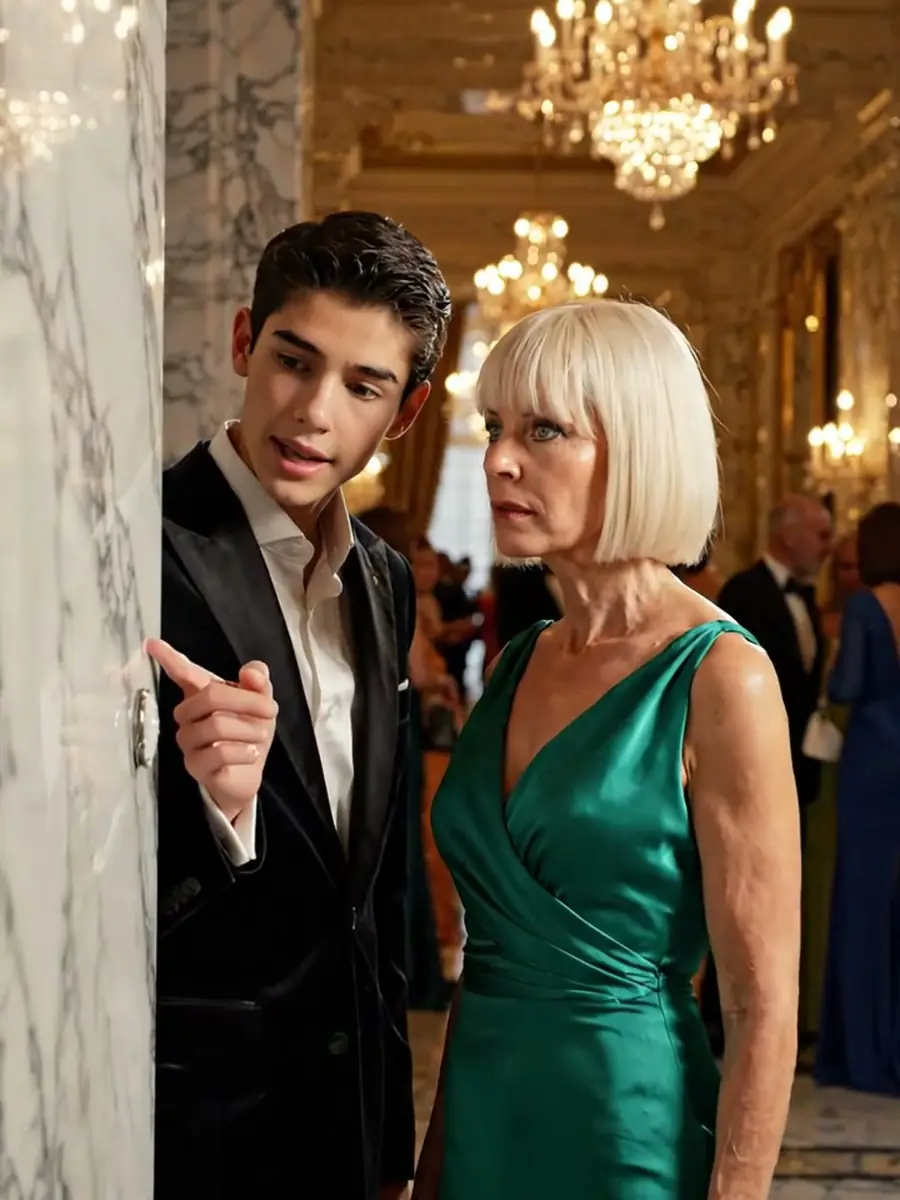
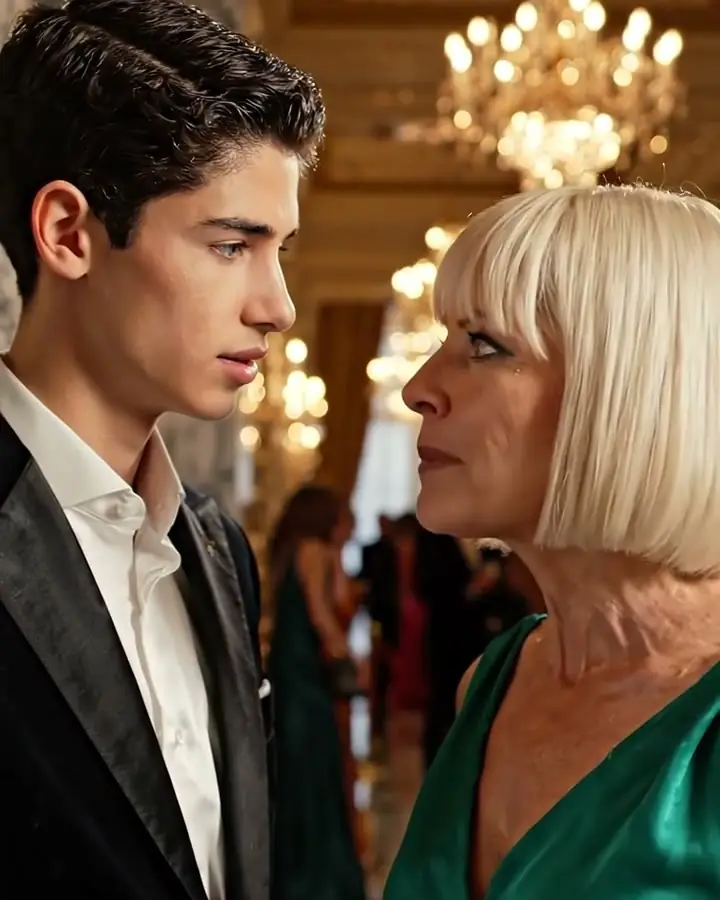
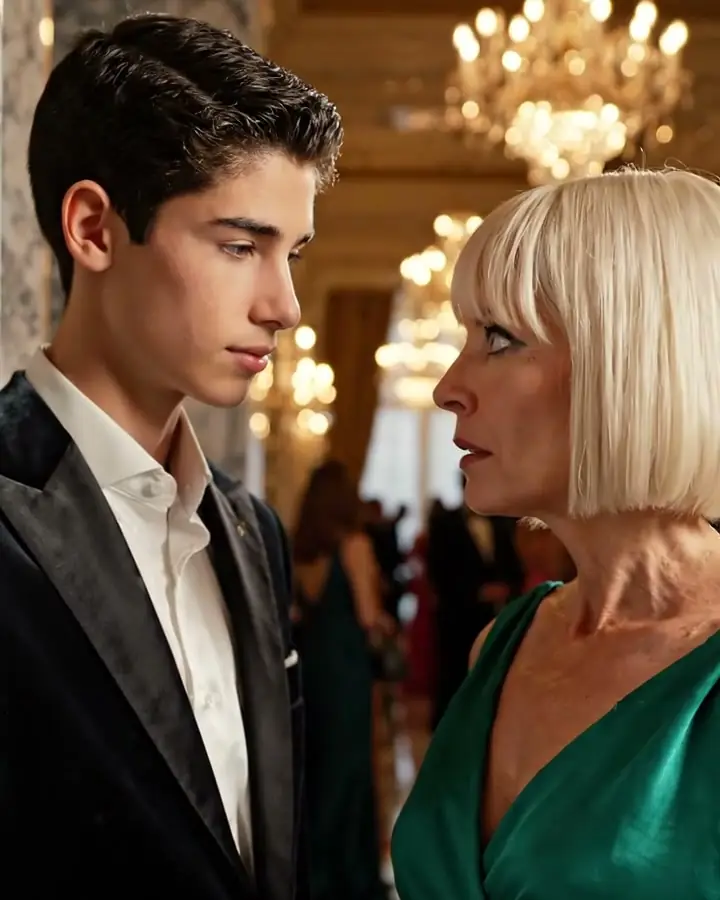
Ethan Whitmore, the youngest scion of the family, drifted through the crowd like a shadow among stars. At seventeen, his lean frame was wrapped in a tailored charcoal velvet blazer, a crisp white shirt, and slim black trousers that whispered of understated elegance. Dark hair fell in precise strands over sharp cheekbones, and his eyes—though bright with the curiosity of youth—carried a weight that belied his age. He moved with a quiet purpose, slipping away from the swirling dancers, his blazer brushing the polished floor as he sought a moment of solitude in an alcove where the grand staircase met the mahogany wall.
The ballroom’s music swelled, a distant orchestra playing a waltz that seemed to echo the rhythm of the night’s secrets. Ethan’s fingertips brushed the cool surface of the wall, feeling a faint texture beneath the paint—a subtle indentation that felt out of place in the immaculate décor. He leaned closer, his breath catching as the faint outline revealed itself, like a phantom imprint left decades ago. With a tentative press of his thumb, a soft click resonated through the marble, startling a nearby guest who glanced over, only to dismiss the sound with a polite smile.
The Hidden Discovery
Behind the painted veneer, concealed by time and neglect, lay a small brass button, tarnished by years of dust. It seemed an anachronism amid the modern luxury—a relic of a bygone era that had been forgotten by those who now called the estate home. Ethan’s heart hammered in his chest, each beat echoing the thrill of the unknown. He called for his mother, Maya Whitmore, whose presence at the gala had been both commanding and ethereal. She stood on the balcony, overseeing the event with an elegant platinum bob and striking green eyes that seemed to see through the glittering façade.
“Mom, look,” Ethan whispered, his voice barely audible over the distant orchestra. “There’s a button hidden here.”
Maya descended the staircase, her floor‑length silk emerald gown sweeping the marble with a subtle gold embroidery that caught the light like a living river. Her eyes narrowed as she examined the unexpected find, the lines of her face softening with curiosity. “That’s odd,” she murmured, her voice a blend of authority and maternal concern. “I’ve never seen that before.”
Together, they pressed the button. The wall shivered in response, a thin panel giving way to reveal a narrow, dust‑filled niche. Inside lay a leather‑bound ledger, its pages yellowed and brittle, the cover embossed with gold that had long since dulled. Ethan’s fingers trembled as he lifted the tome, feeling the weight of history settle into his palm.
Unveiling the Past
The ledger opened to reveal a chronicle of transactions that spanned three generations of Whitmore ambition. The entries were terse, inked in a hand that shifted from elegant cursive to hurried scrawl, each line a testament to deals made in secrecy. As Maya and Ethan turned the pages, a stark narrative emerged—one that contradicted the family’s public image of honest entrepreneurship. The Whitmore fortune, it turned out, had been built on clandestine agreements with a rival corporation, exploitative labor contracts in overseas factories, and a systematic silencing of whistleblowers through legal intimidation.
Each entry was a brick in a wall of deceit: a shipment of raw materials purchased at half market price, a bribe paid to a foreign official, a settlement paid to a former employee who dared to speak out. The ledger’s ink, though faded, held the weight of lives altered, of families displaced, and of a moral compromise that had been passed down like an heirloom. Maya’s eyes filled with tears as she read the names of people whose lives had been ruined in the name of profit, her mind racing back to the glossy press releases that had celebrated Whitmore’s “ethical” initiatives.
Ethan’s voice shook as he read aloud a passage that detailed the disposal of a factory’s waste in a river that fed a small town downstream. “Our legacy is a lie,” he said, the words hanging in the grand hall like a verdict. “All those years we pretended to be… righteous.”
Maya stared at the pages, her composure cracking under the weight of truth. “We’ve built our lives on these lies,” she whispered, each syllable a tremor of grief and revelation. “But now you’ve uncovered the truth.”
The Confrontation in the Ballroom
The revelation spread through the gala like a sudden gust of wind, stirring the polished crowd into a hush. Guests who had been sipping champagne and exchanging pleasantries turned their gazes toward the Whitmore duo, their faces reflecting shock, disbelief, and an unexpected dawning respect for the boy’s courage. The chandeliers above seemed to pulse, casting a golden halo over the ledger as Ethan lifted it aloft, the brass button glinting in the light.
“The truth belongs to everyone,” he announced, his voice resonating across the hall, cutting through the orchestral strains. “It is not a private heirloom to be hidden behind silk and marble.” The words hung in the air, a challenge and an invitation all at once.
Whispers turned into murmurs, and murmurs into a collective outcry. Some guests tried to retreat into the safety of their own polished narratives, while others stepped forward, offering support, demanding accountability. The Whitmore family’s reputation, once untouchable, now lay exposed under the unforgiving glare of public scrutiny.
Maya felt a surge of both shame and resolve. She realized that the moment of truth could become a turning point, not only for the Whitmore name but for the broader conversation about corporate responsibility. With a steadying breath, she addressed the assembly, acknowledging the sins of the past and pledging a new course.
Resolution and New Beginnings
In the days that followed, the Whitmore name became synonymous with accountability rather than opulence. Maya Whitmore stepped down from the board of the family’s conglomerate, choosing instead to channel her influence into advocacy for ethical business practices. She partnered with NGOs, testified before legislative committees, and used her platform to champion transparency in supply chains.
Ethan, once a silent observer in the shadow of his family’s legacy, emerged as a leader of a new non‑profit dedicated to corporate transparency. He leveraged the ledger’s evidence to launch a public database of corporate dealings, inviting whistleblowers and investigators to contribute. The non‑profit quickly attracted funding from philanthropists eager to support a cause that had been sparked by a single hidden button.
The brass button, once a relic of secrecy, was placed in a glass case within the estate’s newly repurposed wing. The mahogany wall, now partially opened, revealed a glimpse of the niche that had concealed the ledger for decades. The Whitmore estate, stripped of its façade, opened its doors to the public, transforming the ballroom into a museum of lessons learned—exhibits showcased the rise and fall of unchecked ambition, the power of curiosity, and the courage required to confront uncomfortable truths.
Visitors walked through the halls, their footsteps echoing the same marble that had once muffled a boy’s curiosity. The estate’s former grandeur now served as a backdrop for dialogue, education, and reflection. Maya’s emerald gown, once a symbol of aristocratic elegance, was donated to a museum, its gold embroidery preserved as a reminder of a past that could no longer be hidden.
Epilogue
Years later, a bronze plaque was installed beside the mahogany wall, its inscription simple yet profound: “Here lies the button that broke a dynasty and built a future.” Guests pause before it, fingertips tracing the faint outline where the button once rested, a tactile reminder that every polished surface may conceal a story waiting to be told.
The Whitmore estate, once a fortress of secrecy, now stands as a beacon of honesty. Children on school trips press their palms against the cool stone, hearing in the echo of their touch the faint click of the hidden button—a sound that, decades ago, signaled the beginning of a reckoning. Scholars cite the ledger as a case study in corporate ethics, while activists reference Ethan’s bold proclamation as an anthem for transparency.
And in the quiet moments, when the chandeliers are dimmed and the museum lights soften, the brass button rests in its case, its tarnish a testament to time and transformation. It remains a symbol that curiosity, when coupled with courage, can unearth truths that reshape destinies. The Whitmore legacy, once built on concealed deals, now thrives on openness, reminding all who encounter it that the most powerful revelations often begin with a single, hidden button.
◆ ◆ ◆
Fiction. Any resemblance to real persons or events is purely coincidental.